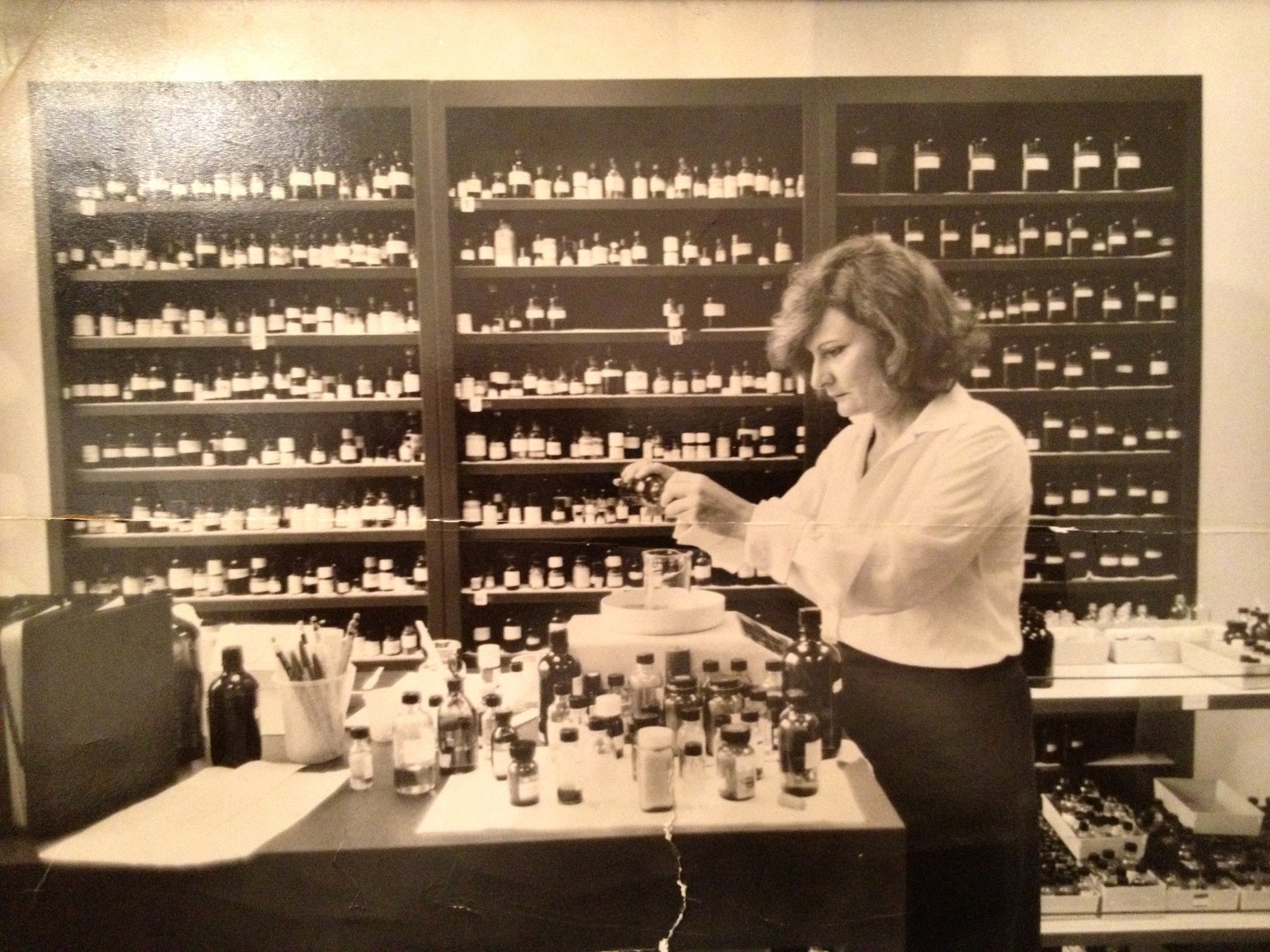
At the organ — the tiered wall of bottles a perfumer works from, and the whole trade in front of her.À l’orgue — le mur de flacons en gradins où travaille une parfumeuse, et tout le métier devant elle.
Carnet de Provence — une chronique de famille
Envoi
The girl from the rock, the bench of a thousand bottles, and a white shirt she never broke from.La petite du rocher, le banc aux mille flacons, et une chemise blanche dont elle ne s’est jamais départie.
For Maman · from the family albumsPour Maman · d’après les albums de famille
This edition is for her. So the last pages are not about the trip at all.Cette édition est pour elle. Les dernières pages ne parlent donc pas du voyage.
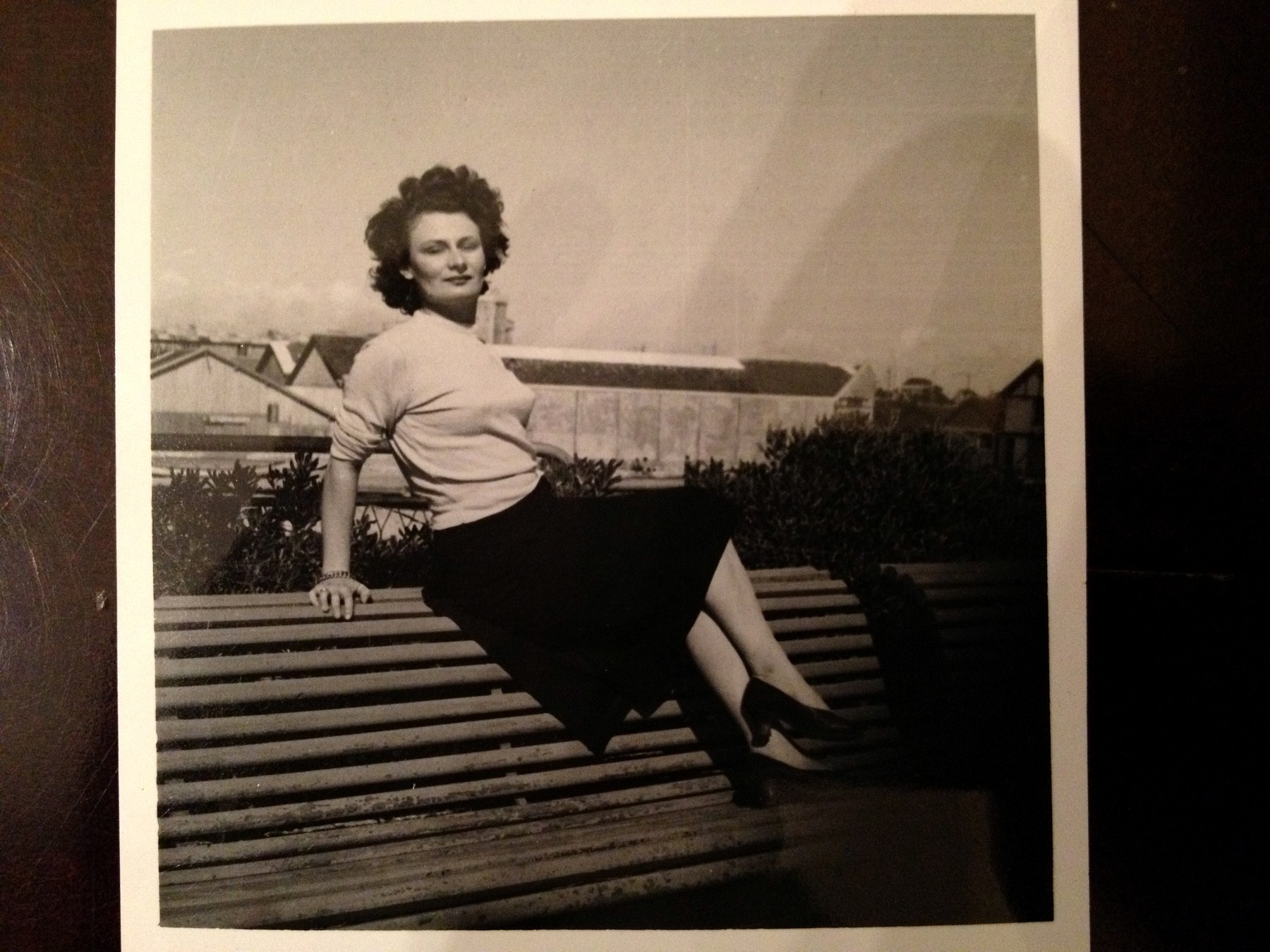
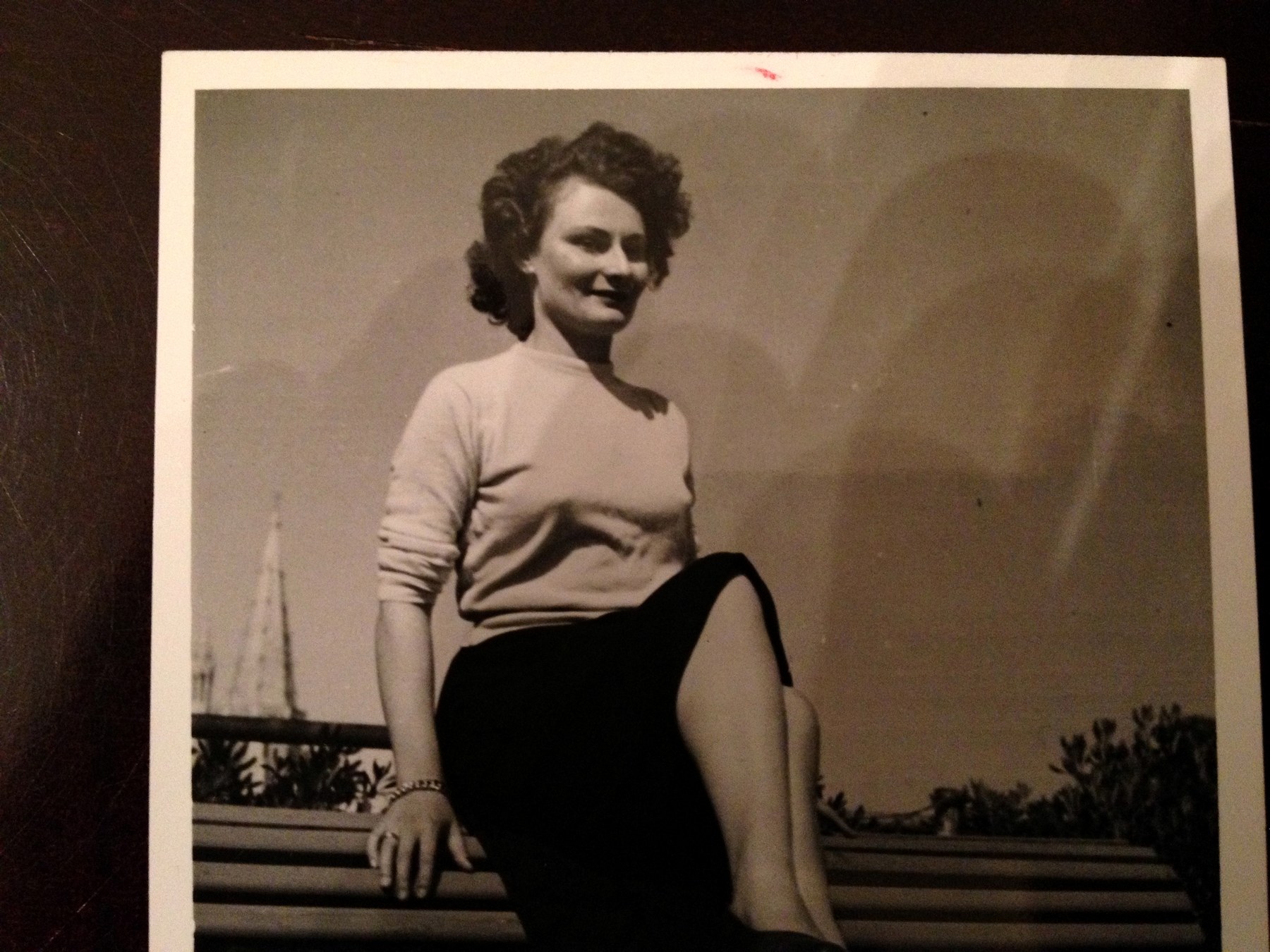
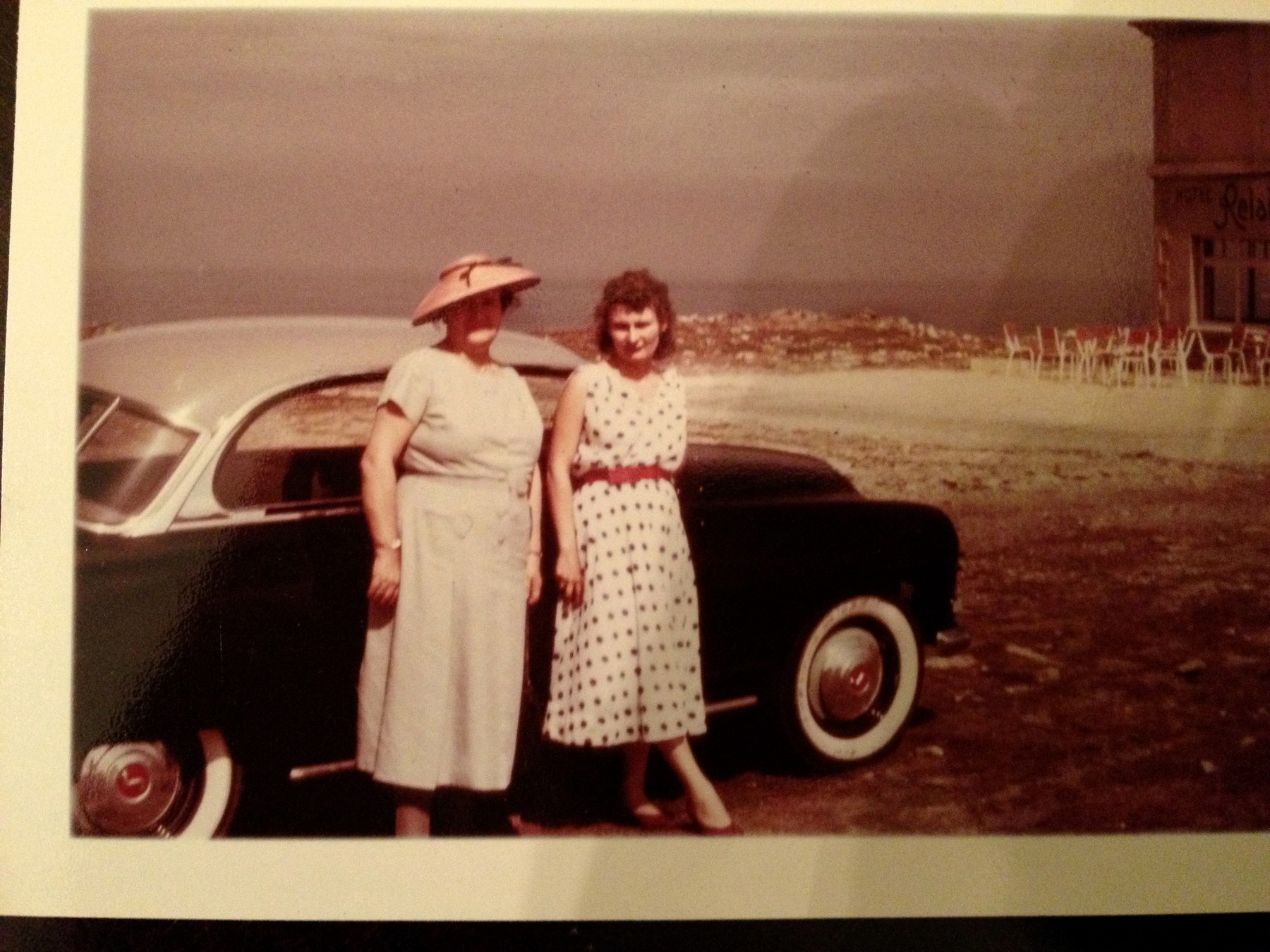
There is a photograph of her sitting on a railing with the rooftops behind and one shoe off the ground, and it is very difficult to look at it and then look at the rest of your life without feeling that you have been slightly outclassed by someone who got there first. She was already entirely herself. The posture is the posture she still has when a photograph is being taken and she has decided to allow it.Il y a une photographie d’elle assise sur une rambarde, les toits derrière et une chaussure qui ne touche plus le sol, et il est très difficile de la regarder, puis de regarder le reste de sa propre vie, sans avoir le sentiment de s’être fait légèrement damer le pion par quelqu’un qui y est arrivé avant. Elle était déjà entièrement elle-même. C’est la posture qu’elle a encore aujourd’hui quand on prend une photographie et qu’elle a décidé de laisser faire.
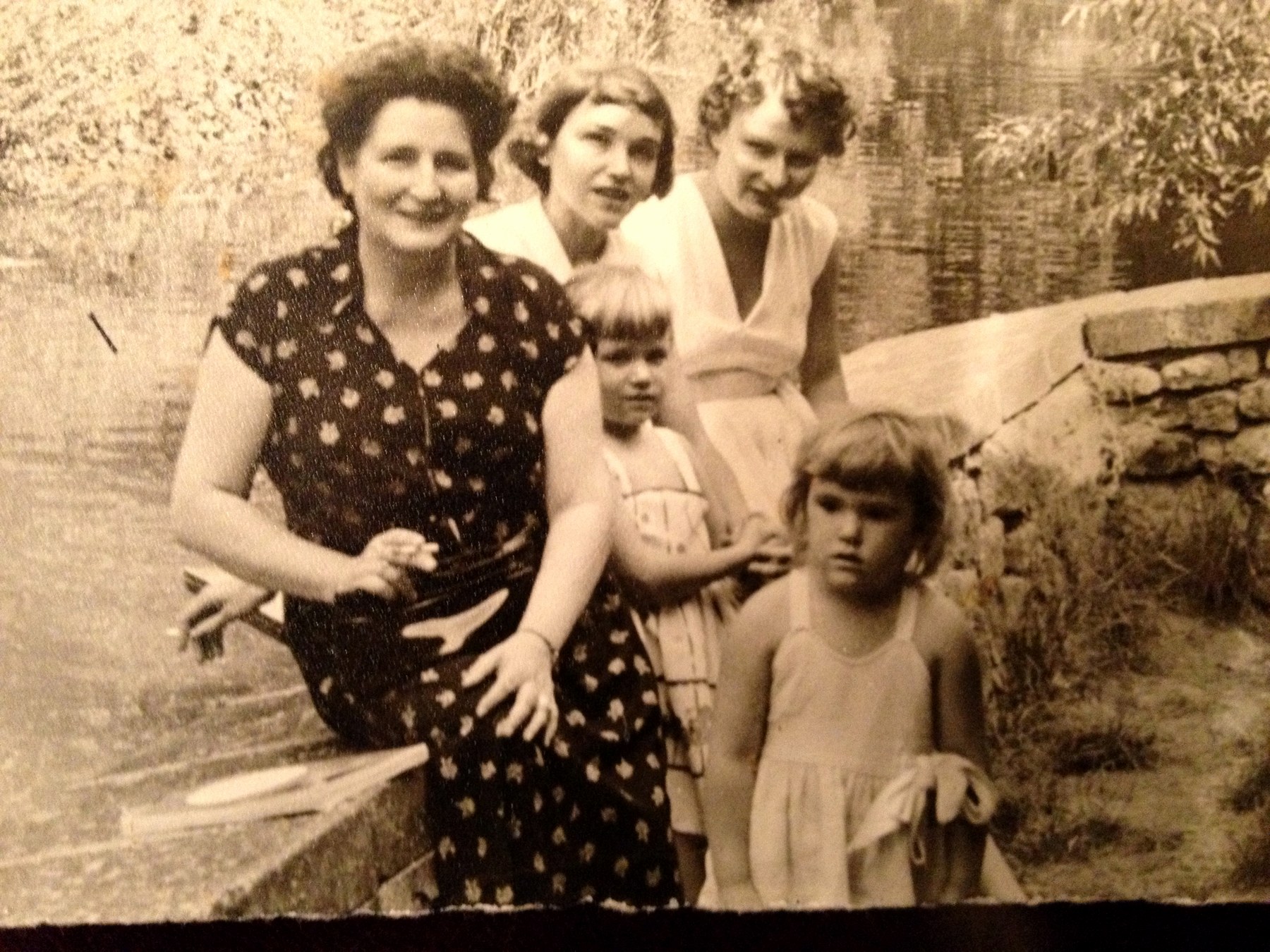
The family photographs from those years are the ones everybody has: a stone wall, a good dress, the children pushed to the front and squinting, somebody’s hand on somebody’s shoulder. What they do not tell you is which of these people is going to end up mixing fragrances in Manhattan.Les photographies de famille de ces années-là sont celles que tout le monde a : un mur de pierre, une belle robe, les enfants poussés devant et qui plissent les yeux, la main de quelqu’un sur l’épaule de quelqu’un d’autre. Ce qu’elles ne disent pas, c’est laquelle de ces personnes va finir par composer des parfums à Manhattan.
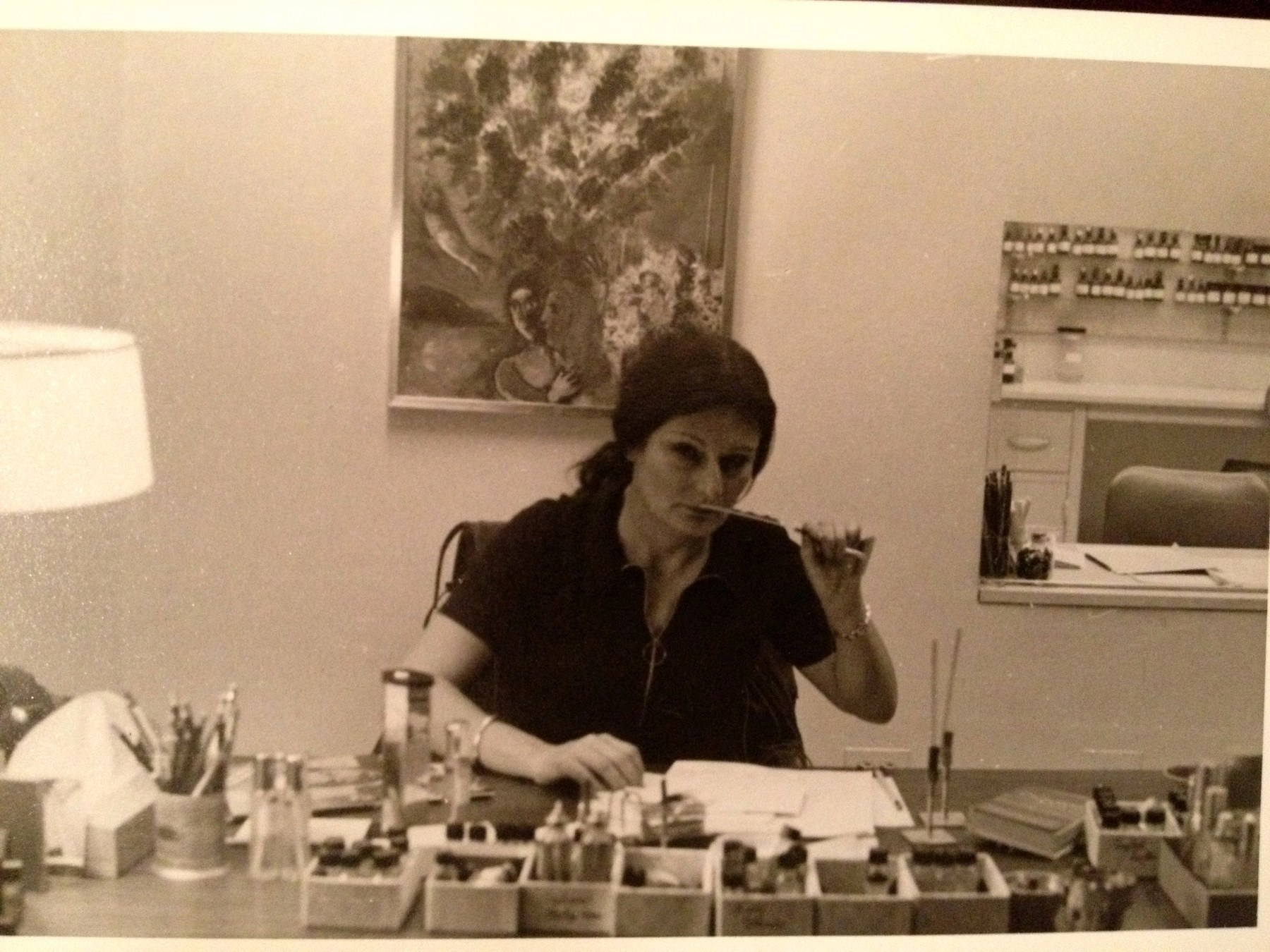
A perfumer works at an orgue — an organ — a tiered wall of small bottles arranged like a keyboard, hundreds of them, and you build a fragrance the way you would build a chord. Here she is at hers, in a white blouse, doing the thing she did for a living: holding an idea in her head that nobody else in the room could smell yet.Une parfumeuse travaille à l’orgue — les gradins de petits flacons rangés comme un clavier, par centaines, et l’on construit un parfum comme on construirait un accord. La voici au sien, en chemisier blanc, en train de faire ce qu’elle faisait pour vivre : tenir dans sa tête une idée que personne d’autre dans la pièce ne pouvait encore sentir.
The second photograph is the bench rather than the wall — the trays, the pipettes, the small boxes, the notebook. Chapitre VI has her telling this in her own voice, decades later, over a spritz in a village square. These are the years she was talking about.La seconde photographie, c’est le banc plutôt que le mur — les plateaux, les pipettes, les petites boîtes, le carnet. Au Chapitre VI, elle raconte tout cela de sa propre voix, des décennies plus tard, devant un spritz sur une place de village. C’est de ces années-là qu’elle parlait.
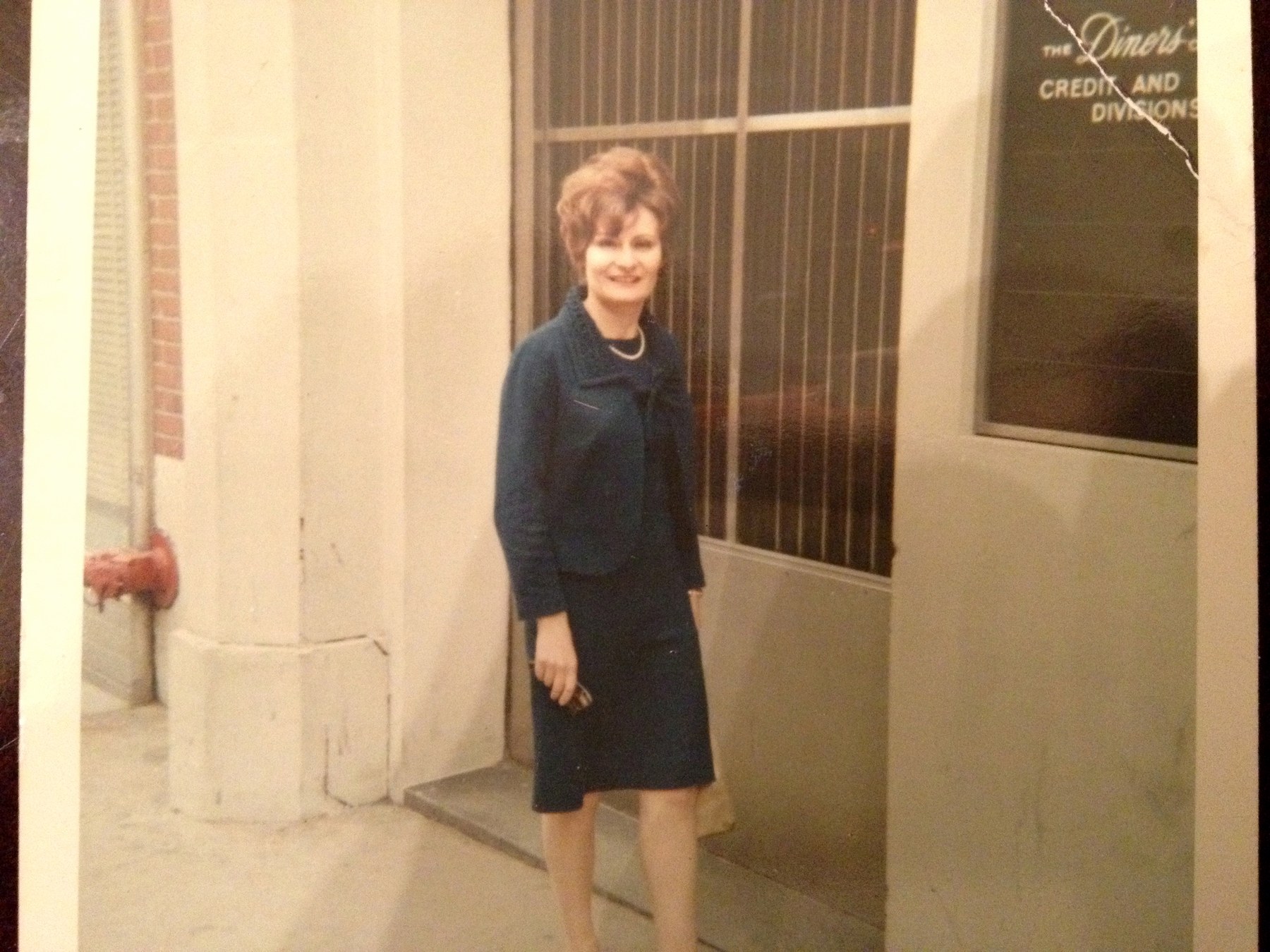
In the recording she is very clear about it. « Never a dress. A white shirt. Bally, Saint Laurent. » That was the uniform, decided early and never renegotiated, worn to the meetings, the corporation, the designers, the clients across Manhattan.Sur l’enregistrement, elle est très nette là-dessus. « Jamais de robe. Une chemise blanche. Bally, Saint Laurent. » C’était l’uniforme, arrêté tôt et jamais renégocié, porté aux réunions, à la société, chez les couturiers, chez les clients à travers Manhattan.
Look again at the photograph of her outside Chanel in Chapitre XII, taken this June at eighty. White shirt. Saint Laurent at the waist. Sixty years later and she has not moved an inch.Regardez de nouveau la photographie d’elle devant chez Chanel, au Chapitre XII, prise en juin dernier, à quatre-vingts ans. Chemise blanche. Saint Laurent à la taille. Soixante ans plus tard, et elle n’a pas bougé d’un pouce.
She came back this June to a village on a rock that she left a long time ago, climbed it slowly in the heat because there was no other way to climb it, and looked at everything twice. She sat through an hour of Picasso thrown across the walls of a quarry with her face turned up into it. She went into a shop on a Sunday in Cannes and came out with a pair of sunglasses and absolutely no need to explain herself to anybody.Elle est revenue en juin dernier dans un village sur un rocher qu’elle a quitté il y a longtemps, elle y est montée lentement dans la chaleur parce qu’il n’y avait pas d’autre façon d’y monter, et elle a tout regardé deux fois. Elle est restée une heure devant du Picasso jeté sur les murs d’une carrière, le visage levé dedans. Elle est entrée dans une boutique un dimanche à Cannes et elle en est ressortie avec une paire de lunettes de soleil et absolument aucun besoin de se justifier auprès de qui que ce soit.
Eighty years, three countries, one uniform.Quatre-vingts ans, trois pays, un uniforme.
Pour Maman — qui a tout commencé.